Slime and Zefal Z Liner both reduce puncture interruptions, but they work differently. Slime is a sealant inside a self-sealing tube or a compatible tyre system. Zefal Z Liner is a physical liner placed between tyre and tube. The best choice depends on tyre width, valve access, fitting skill and how you ride.
How Slime helps
Slime self-sealing tubes and tyre sealants are designed to seal small tread-area punctures as the wheel turns. They can be useful on commuter, leisure, child-bike and utility tyres that often meet thorns, fine glass or sharp road grit. They do not solve large cuts, sidewall damage, valve failures or pinch flats caused by low pressure.
How Zefal Z Liner helps
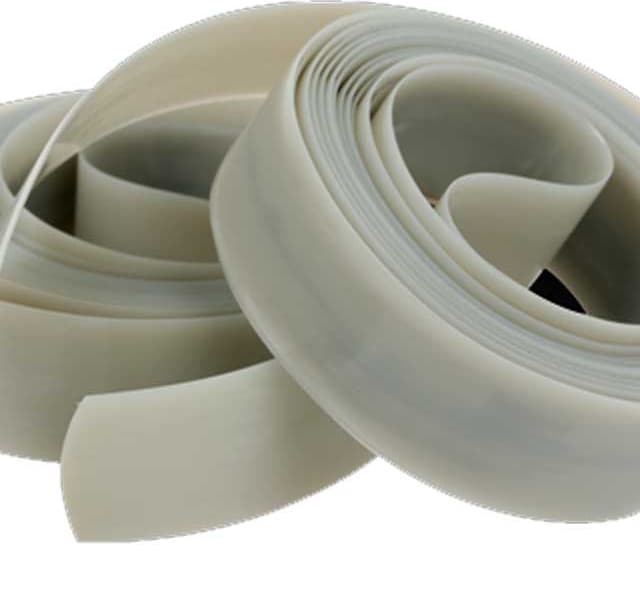
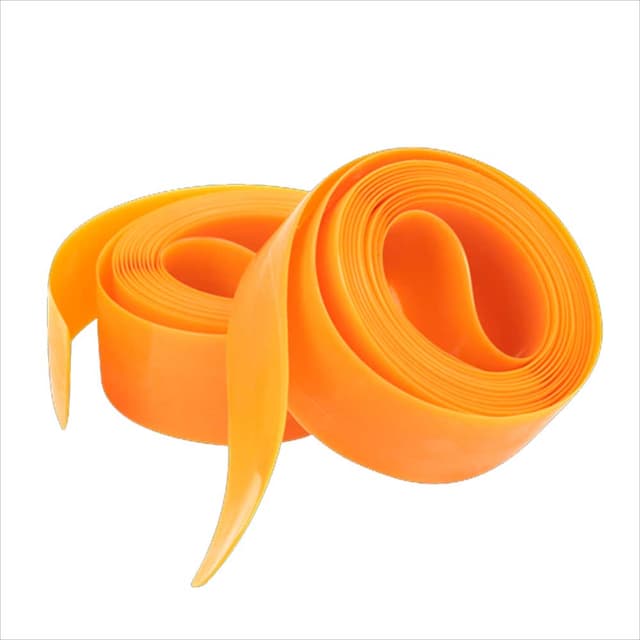
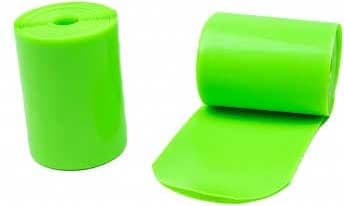
Zefal Z Liner adds a polyurethane barrier under the tread. It is simple in principle, but width matters. A 19 mm road liner, 27 mm trekking liner, 34 mm MTB liner or 75 mm fat-bike liner protects different casing widths. Too narrow gives poor coverage; too wide can fold or rub the tube.
Which is better for commuting?
For narrow city and road tyres, a Slime tube is often the easiest low-maintenance choice if the exact size and valve are available. For wider trekking, MTB or fat-bike tyres, a correctly sized Z Liner can be attractive when you want a mechanical barrier and are comfortable fitting it carefully. Heavy daily bikes may also justify a reinforced tyre instead of adding protection to a tired casing.
Can you combine them?
Some riders combine a liner and sealant tube, but it increases installation sensitivity. The liner must sit flat, the tube must not be pinched, and the tyre must still seat cleanly. If you already struggle with fitting or have very tight tyres, choose one well-fitted protection method first.
Before buying any protection
Inspect the tyre for embedded glass, check rim tape, replace cracked casings, and ride within the pressure range printed on the sidewall. Most repeated flats come from a mechanical cause that must be removed before extra protection can help.