Searches for puncture-resistant bike tyres and solid tyres for bikes often start with the same problem: a commuter, utility bike or e-bike keeps losing time to flats. There is no single best answer for every bicycle, so the practical choice is to match the tyre size first, then choose the level of protection that fits your riding and maintenance needs.
Start with the tyre size, not the protection label
Before comparing protection systems, read the sidewall of your current tyre and note the ETRTO size, such as 47-559, 50-622 or 37-540. The second number is the rim diameter and must match. The first number is the approximate tyre width, which also needs enough frame, fork and mudguard clearance.
If two tyres both say 26 inch, 28 inch or 700C, they can still use different rim diameters. ETRTO is the safer compatibility check for commuter tyres, solid tyres and reinforced tyres.
Four ways to reduce puncture risk
For most riders, the useful comparison is not only "solid or normal tyre". These are the main options:
- Reinforced commuter tyres keep an air-filled ride and add a protective belt under the tread.
- Solid tyres remove the inner tube, but they need careful rim compatibility checks and can feel firmer.
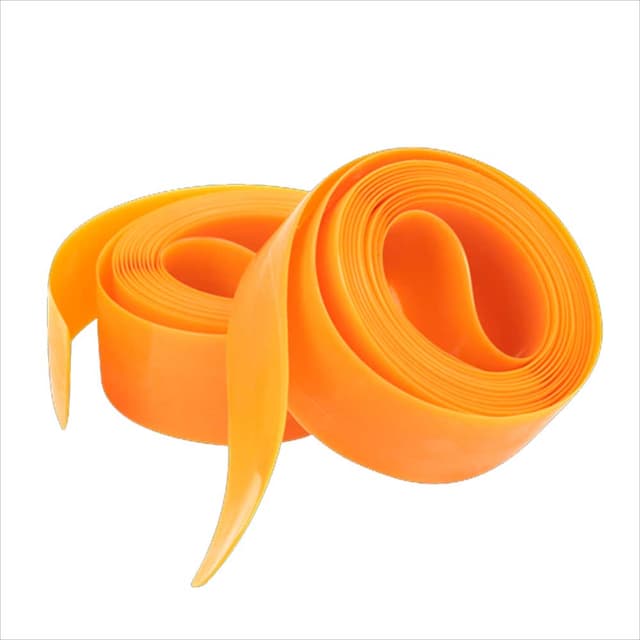
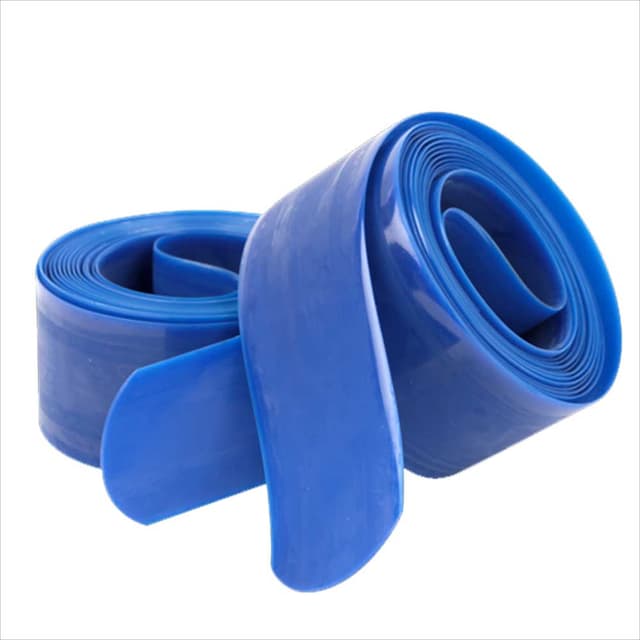
- Anti-puncture liners sit between tyre and tube to add a protective layer to an existing pneumatic setup.
- Sealant or sealant-filled tubes can help with small punctures, depending on tyre and tube setup.
When a solid tyre makes sense
A solid tyre is worth considering when reliability matters more than a soft pneumatic ride: city bikes, utility bikes, cargo-style use, workshop fleets, some mobility wheels and bikes where removing the wheel is awkward. Check the exact ETRTO size, internal rim width guidance and fitting method before ordering.
Solid tyres can be more demanding to fit than standard tyres. If you are unsure about the rim, send us the sidewall marking and rim details before buying, or ask a professional mechanic to fit them.
When a reinforced pneumatic tyre is better
If comfort, grip and familiar handling matter, a reinforced air-filled tyre is usually the first commuter option to compare. Models with protection belts are easier to inflate, remove and repair than solid tyres, and they work well for daily city, trekking and e-bike use when the size and pressure are correct.
Upgrade an existing tyre with liners or sealant
If your current tyre still has good tread and the right size, a liner or sealant can be a lower-cost upgrade. Match the liner width to the tyre width, trim or fit it carefully, and inspect the inside of the tyre for embedded glass or thorns before refitting the tube.
Commuter buying checklist
- Copy the ETRTO size from the tyre sidewall before searching.
- Check whether you want a tube setup, tubeless setup or solid tyre.
- For e-bikes and cargo use, look for tyre load and e-bike suitability where the manufacturer states it.
- Check reflective sidewalls if you ride in low light.
- Do not choose a much wider tyre unless the frame, fork and mudguards have clearance.
Shop puncture-protection options at 1Bike
1Bike stocks solid tyres, reinforced commuter tyres, liners, sealants and inner tubes. Use the category links below to compare the level of protection you want, then check the product page for exact size, stock status and fitting notes.